

Separation Anxiety in Dogs: How Daycare Can Help

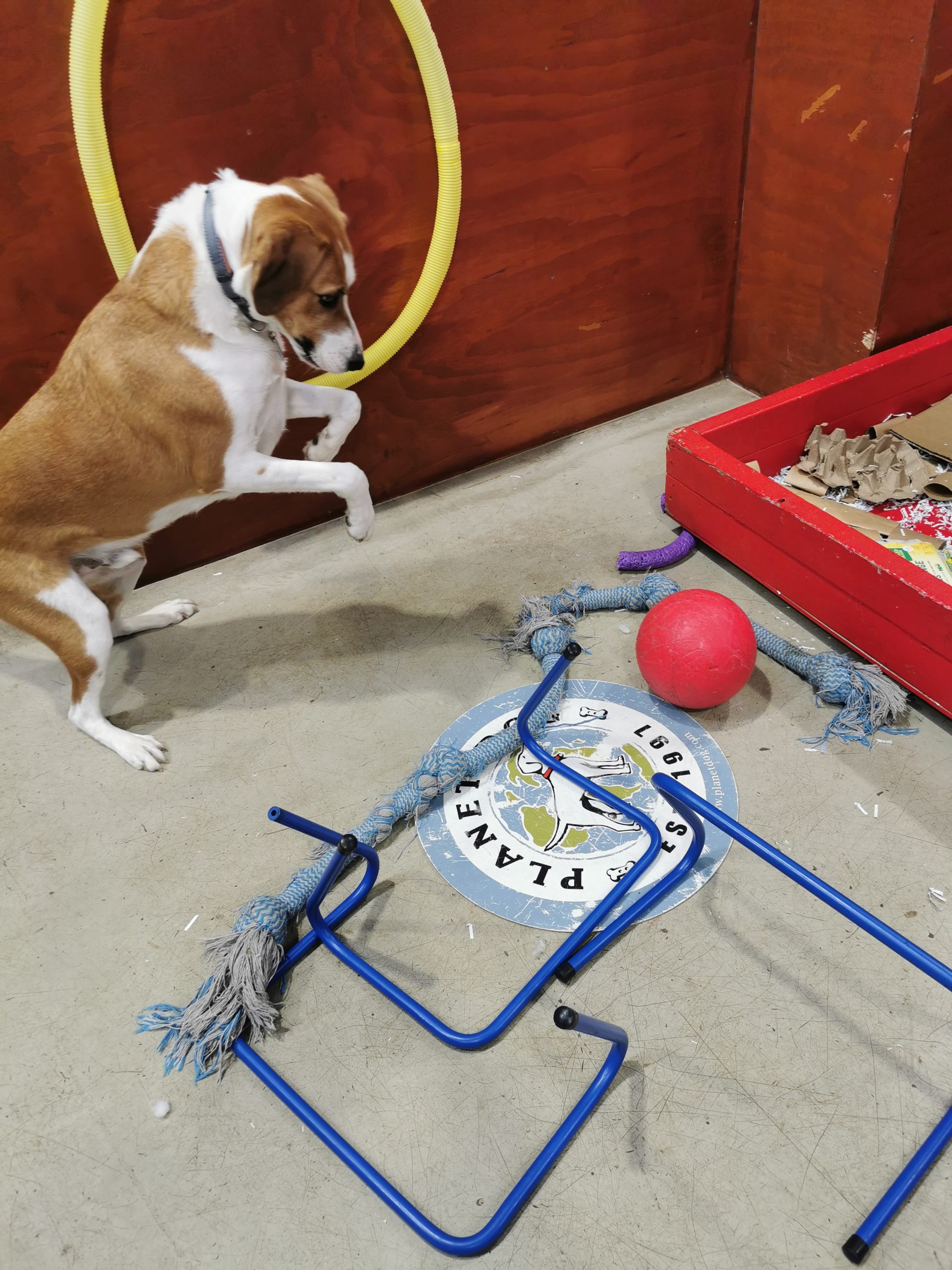
Does your dog start pacing the moment you pick up your keys? Or come home to chewed-up cushions and a very sorry-looking face?
Separation anxiety is one of the most common – and most misunderstood – behavioural challenges dog owners face. It’s not naughtiness or spite. It’s genuine distress, and for many dogs, the fix isn’t more discipline. It’s the right kind of company.
What Separation Anxiety Actually Looks Like
Separation anxiety shows up differently from dog to dog, but the common signs include excessive barking or howling after you leave, destructive chewing or scratching (especially around doors and windows), pacing, drooling, and toileting accidents in dogs who are otherwise fully house-trained. Some dogs also lose their appetite or become withdrawn until their owner returns.
Why It Happens
Dogs are social animals, and being left alone for long stretches goes against their nature. Anxiety is often more common in rescue dogs, dogs who’ve had a change in routine, or dogs who simply haven’t had much practice being on their own. Long working hours and a quiet, empty house can make the problem worse over time rather than better.
How Daycare Helps Ease Separation Anxiety
Dog daycare tackles the problem from a different angle: instead of a dog spending eight hours alone with nothing to do but worry, they spend the day around other dogs and familiar people, with enrichment, play, and rest built into their routine. A dog who comes home mentally and physically satisfied is far less likely to spiral into anxious behaviour the next time you head out the door. Regular daycare also builds a dog’s confidence and social skills over time, which can reduce anxiety even on the days they’re not with us.
What This Looks Like at Everything Dog
We ease anxious dogs in gradually rather than throwing them into a full day straight away. Every dog is assessed first, so we understand their temperament before matching them to the right social group. Drop-off is calm and unhurried, staff are familiar faces, and quiet, low-stimulation zones are always available for dogs who need a break from the action. For a dog who struggles being left alone, that steady, predictable routine can make a real difference.
Signs Daycare Is Working
Owners of anxious dogs often tell us the same thing: fewer chewed-up shoes, calmer evenings, and a dog who settles faster at home instead of pacing by the door. It’s usually one of the clearest signs that a dog’s anxiety is easing, not just being managed for a few hours at a time.
Final Woof
If your dog struggles with separation anxiety, you’re not alone, and it’s not something you need to solve overnight. The right daycare routine can take real pressure off both of you. Ready to see if daycare could help your dog? Book an introduction assessment with our team today.